
Finding the Right Support for Anxiety, Depression, and Other Mental Health Concerns
Finding mental health care that fits your needs is an important step toward improving your well-being. Support is available through therapy, psychiatric services, medication management, and other treatment options.

When to Consider Mental Health Support
It may be helpful to seek professional support if you experience:
- Ongoing sadness, worry, or low motivation
- Changes in sleep, appetite, or energy
- Difficulty managing daily responsibilities
- Trouble focusing or enjoying activities
- Increased stress, irritability, or emotional struggles
Understanding Anxiety and Depression
Anxiety may involve excessive worry, racing thoughts, panic, or physical tension that affects daily life. Depression can include persistent sadness, loss of interest, fatigue, and difficulty managing regular activities.
Because symptoms can vary from person to person, a mental health professional can help identify your concerns and recommend an appropriate care plan.
Mental Health Care Options
Therapy and Counseling
Therapy provides a safe space to discuss emotions, challenges, and personal experiences. It can help improve coping skills, communication, self-awareness, and emotional resilience.
Psychiatric Services
A psychiatric evaluation helps assess symptoms, personal history, and treatment needs. Depending on your situation, care may include therapy recommendations, medication management, or other forms of support.
Telehealth Services
Virtual mental health appointments offer a convenient option for those with busy schedules, limited access to providers, or a preference for receiving care from home.
Choosing the Right Mental Health Provider
Finding the right provider involves considering their experience, treatment approach, communication style, availability, and whether you feel comfortable discussing your concerns.
A strong provider relationship can make it easier to communicate openly and work toward your mental health goals.
What to Expect at Your First Appointment
Your first visit is usually focused on understanding your concerns, symptoms, history, and goals. You may discuss your emotional health, daily challenges, previous treatment, and what you hope to achieve through care.
You do not need to have all the answers. Sharing what you are experiencing is the first step toward getting support.
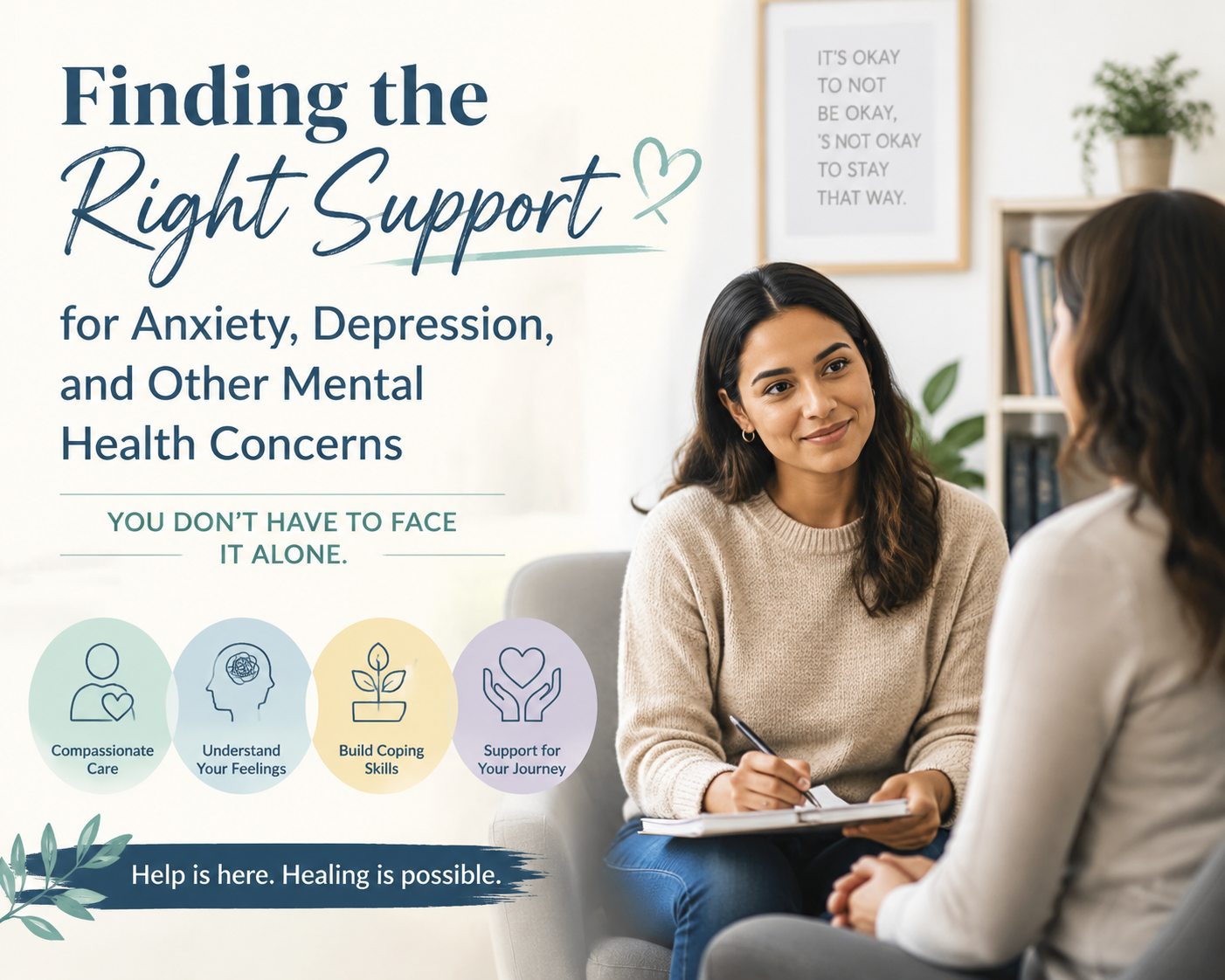
Taking the First Step Toward Better Mental Health
Seeking help for anxiety, depression, or other mental health concerns is a positive step toward caring for yourself. With the right support, you can develop coping strategies, better understand your emotions, and work toward improved well-being.
You do not have to handle mental health challenges alone. Compassionate, personalized care can help you move forward with confidence.
Contact us today:
Phone:
640-204-5246
Email:
info@gallantmindspsychiatry.health